Free Language

Lessons, Podcasts, Courses, Audio, Video, Reviews, Study Guides, Learning Materials

Free: Results Now!

ChinesePod.com
Learn French with FrenchPod
ItalianPod
SpanishPod.com

Multilingual IM

Travel and Learn!

Eurolanguages Makes Language Travel Simple

Gadgets

Ectaco Electronic Translators

Learn with iPod

Language Freeware

Transparent Language

no money

Polish Wikibook with Basic Polish Language Course

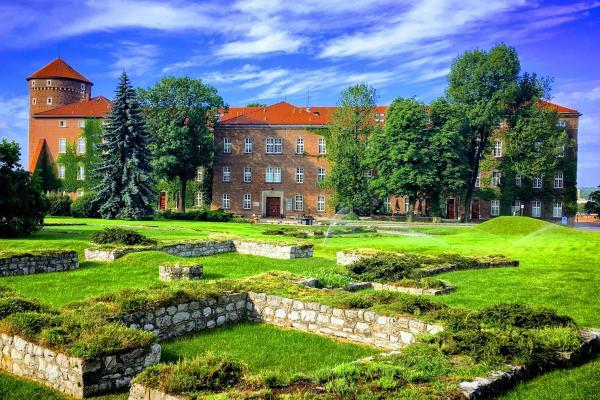
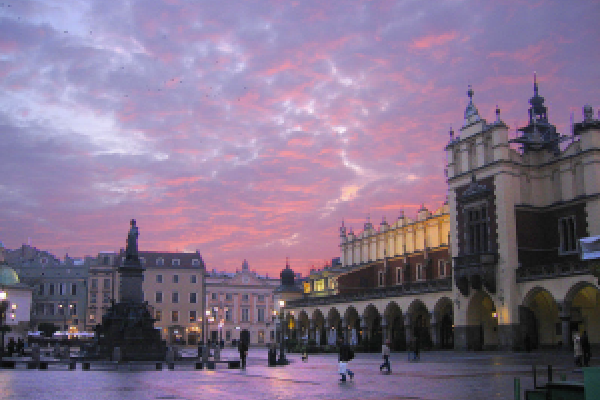
Krakow Market Square Wikibooks Polish Logo

Summary

Wikibooks is a great idea. Like Wikipedia, Wikibooks consists of content that is public domain, which means that anything you find there is reusable in any fashion you like. This means it is truly Free and Open for learning and teaching.

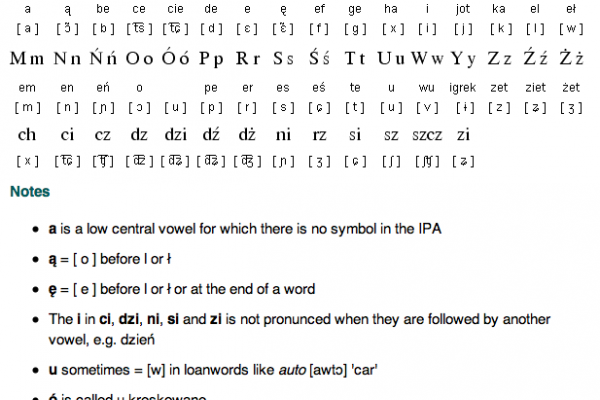
Currently the Polish Language Wikibook consists of a basic course for learning Polish covering pronunciation, nouns, genders, adjectives, question words and more.

As always with Wikimedia projects, you are free to improve on the information created by fellow humans!

From Website

The Polish language is a member of the Western Slavic group of the Indo-European family of languages. It is easiest to learn if one already knows some other related language.

The most closely related are other Western Slavic languages: Czech, Slovak, Kashubian and Sorbian. More distant are the Southern and Eastern Slavic languages like Russian, Ukrainian, and Serbo-Croatian. Even further, but still somewhat similar are the Baltic languages: Latvian and Lithuanian. Polish is spoken by a total of approximately 40 million people, making it the second most widely spoken Slavic language in the world, next to Russian, and whose influence is almost up to par with her bigger sister. Other Slavs, especially the Bulgars (who consider Polish the most popular third language there) understand Polish and can pick it up with not much effort.

Someone who doesn't speak any Slavic language, but speaks some other Indo-European language, may still find many similarities between Polish grammar and the grammar of that language as well as many similar words.

Learning Polish is very difficult for those who don't know any Indo-European language well, especially for those who speak only Chinese, Japanese, or Korean... but as long as you are committed to learning Polish it is possible. If you are familiar with any other Slavic language (i.e Russian), then you have an advantage as this group share very similiar grammatical structures as well as a common history among them from their rise as well-organised centralised kingdoms in the Middle Ages to the Communist era.
This Wikibook is designed for anyone who wants to learn the basics of the Polish language. It is suitable for beginners and those who've been learning the language for a few years. Polish is written with a particularly unique version of the Latin alphabet.

Visit the Polish Language Wikibook.

OneMinuteLanguages.com One Minute Languages Polish Podcast Introduction to Basic Greetings and Key Travel Phrases

One Minute Languages Polish Logo

Summary

One Minute Languages Polish is a series of ten short and sweet Polish language lessons that last only a few minutes each. Created by Radio Lingua Network, this podcast is a great way to get a very basic introduction to Polish phrases and greetings that will be of use to any traveler exploring Poland.

Also available through the site are pre-packed downloads of the lessons for a nominal fee.

From Website

Welcome to One Minute Languages where you can learn the basics of a language in a matter of minutes. Perhaps you have friends who speak another language, or maybe you're going to be travelling to a country where the language is spoken. The most important thing to remember is that even a few phrases of a language can help you make friends and get much more out of your travel experience.

One Minute Languages will introduce you to a new language from scratch. Each language features ten lessons and each lesson is only a couple of minutes long, so there's no excuse! Join our teachers as they introduce new languages and cover greetings, talking about names, saying you understand or don't understand, counting and making friends.

Remember, One Minute Language courses are very basic introductions - taster courses which give you a feel for a new language. But even with just a few phrases you can make a great impression on your friends or the people you meet while you're travelling.

Visit One Minute Language Polish.

Subscribe

Subscribe to One Minute Polish.
Subscribe to One Minute Polish via iTunes.
View One Minute Language Polish's Feed on Free Language.

CaféBabel.com Café Babel European Political, Economic and Cultural News Magazine in Polish and 6 Other Languages

CaféBabel European Magazine Beta

Summary

Café Babel is a multilingual European political, economic and cultural news magazine published by over 20 local teams in many EU countries. The site has news, cultural and linguistic goodies in catalá, Deutsch, English, español, français, italiano and polski.

Café Babel publishes several mini-magazines that bring light to several topics:

The growing network of local teams that makes up Café Babel are European youths interested in and focused on trans-European world affairs, politics, society, economy and culture. To get a more personal look at some of the members of this team (the ladies, at least), have a look at this flickr photo album of The Women of Café Babel. Pretty cool, and it makes it more personal. (Miglena, Araceli, Camelia: if you read this drop me a line. :)

This particular news feed is the Polish language site-wide RSS feed. You can use it to keep up with what's hot over at Café Babel and practice your Polish o give students some current events to work with. Many of the articles are written in multiple languages, providing learners and educators alike with excellent material.

CaféBabel Multilingual European Magazine Screenshot

From Website

cafebabel.com is made up of a network of local teams across Europe. Bringing together young people from across the continent, this network aims to contribute to the construction of pan-European public opinion through the cafebabel.com magazine.

The local teams are cafebabel.com’s backbone. Their function? To propose subjects for issues, articles and interviews; to recruit writers and translators; to promote cafebabel.com; and to organise ‘café debates’ and events. Interested in setting up a local cafebabel.com team?

Visit CaféBabel.com

Subscribe

Subscribe to CaféBabel News in PolishSubscribe to CaféBabel News in Polish
View CaféBabel News in Polish's Feed on Free Language.